


Understanding Tonsil Stones: Causes, Symptoms, and Treatment Options
Updated: Feb 10
What are Tonsil Stones?
Tonsil stones, also known as tonsilloliths, are small, calcified formations that occur in the crevices of the tonsils. They can vary in size and may cause discomfort or irritation. Understanding tonsil stones is crucial for effective management and treatment.
Causes of Tonsil Stones
Tonsil stones form when debris, such as food particles, dead cells, and bacteria, accumulate in the tonsil crypts. Over time, this debris can harden and calcify, leading to the formation of stones. Several factors may contribute to the development of tonsil stones, including:
Poor oral hygiene
Chronic inflammation of the tonsils
Large tonsils
Dry mouth
The Role of Oral Hygiene
Maintaining good oral hygiene is vital in preventing tonsil stones. Regular brushing and flossing can help reduce the accumulation of debris in the mouth. This simple practice can significantly lower the risk of developing tonsilloliths.
The Impact of Tonsil Size
Individuals with larger tonsils may be more prone to developing tonsil stones. The increased surface area provides more opportunities for debris to become trapped. If you suspect that your tonsils are larger than average, consider discussing this with a healthcare professional.
Symptoms of Tonsil Stones
Many people with tonsil stones may not experience noticeable symptoms. However, some common signs include:
Bad breath (halitosis)
Sore throat
Difficulty swallowing
Ear pain
A feeling of something being stuck in the throat
If you notice any of these symptoms, it may be time to consider treatment options. Recognising these signs early can help prevent further complications.
The Importance of Early Detection
Detecting tonsil stones early can lead to more effective treatment. If you experience persistent symptoms, it is advisable to seek medical advice. Early intervention can prevent the condition from worsening and improve your overall comfort.
Treatment Options for Tonsil Stones
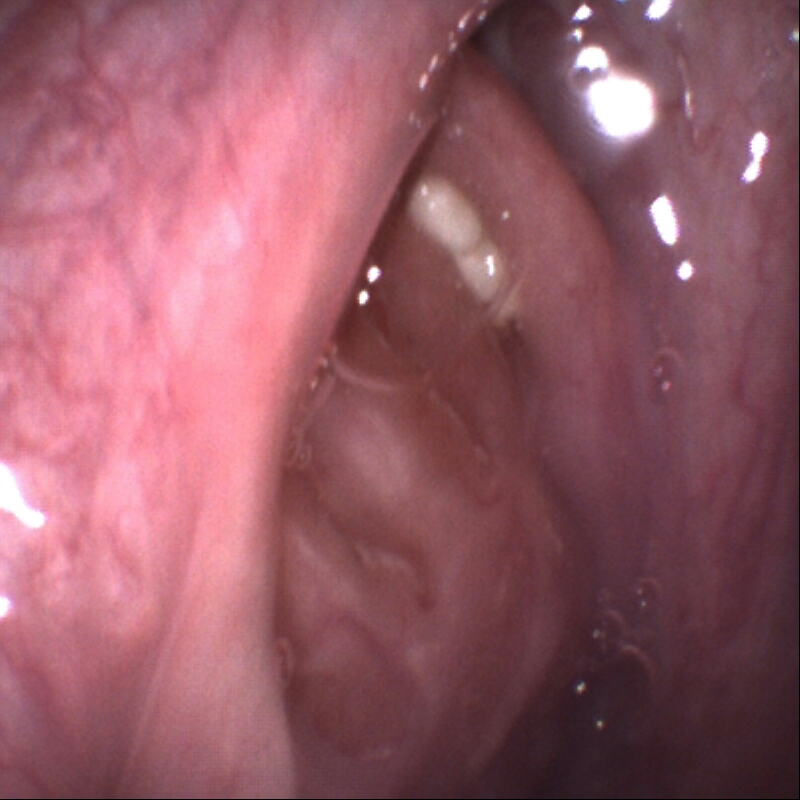
A medium-sized tonsil stone sitting in a crypt at the back of the right tonsil can often be removed using cotton buds or an irrigator. This method is straightforward and can provide immediate relief. However, if the crypt is deep, it may be more effective to laser vapourise the entire area. This procedure removes the problem completely, preventing future occurrences.
Home Remedies
For those who prefer a more natural approach, several home remedies may help alleviate symptoms:
Gargling with salt water: This can help reduce inflammation and discomfort.
Staying hydrated: Drinking plenty of water can help keep the mouth moist and reduce the likelihood of stone formation.
Practicing good oral hygiene: Regular brushing and flossing can help prevent the accumulation of debris.
When to Seek Medical Help
If tonsil stones become a recurring issue, or if they cause significant discomfort, it may be time to consult a healthcare professional. They can provide guidance on more advanced treatment options, including surgical removal of the tonsils if necessary.
Lifestyle Changes to Prevent Tonsil Stones
Making certain lifestyle changes can significantly reduce the risk of developing tonsil stones. Here are some strategies to consider:
Hydration
Staying well-hydrated is essential. Drinking adequate amounts of water helps keep the mouth moist, which can prevent the formation of tonsil stones. Aim for at least eight glasses of water a day.
Diet Considerations
A balanced diet rich in fruits and vegetables can promote overall health. Foods high in fibre can help maintain good oral hygiene by reducing the amount of debris that accumulates in the mouth.
Regular Dental Check-ups
Visiting the dentist regularly can help identify and address oral health issues before they lead to tonsil stones. Professional cleanings can remove plaque and debris that contribute to stone formation.
Conclusion
Tonsil stones can be an annoying and uncomfortable condition. Understanding their causes, symptoms, and treatment options is essential for managing this issue effectively. If you experience persistent symptoms, don't hesitate to seek professional advice.
For more information on tonsil stones and their treatment, visit this link.
By taking proactive steps, you can reduce the likelihood of developing tonsil stones and improve your overall oral health.


I took my daughter to see dentist last week and that's acctually the reason why she had bad breathe. geometry dash
Me parece una buena idea analizar los resultados con información histórica. Los Números Calientes pueden llamar la atención de los lectores que disfrutan buscando tendencias y comparando la frecuencia de diferentes cifras.
If you enjoy browser games with simple controls, eggy car is worth trying. Small mistakes can end a great run, which keeps things interesting.
Tonsil stones are often uncomfortable, but the article explains that simple extraction or laser tonsil cryptolysis can provide lasting relief. Laser treatment is highlighted as minimally invasive, reducing recurrence by smoothing the tonsil crypts where stones form. Patients benefit from quicker recovery and fewer complications compared to traditional surgery, making it an appealing option for those with persistent issues.
This emphasis on vigilance and precision mirrors Fnaf, where survival depends on catching subtle cues and acting decisively. In both medical care and gameplay, awareness and timing determine whether challenges are resolved smoothly or escalate further.
This article provides a helpful overview of tonsil stones, including their causes, symptoms, and available treatment options. The focus on prevention and oral hygiene is especially valuable for reducing discomfort and recurring issues. Reading about managing a persistent condition reminds me of Crossy Road, a mobile game where players overcome repeated obstacles through patience and consistent effort to make progress.